Mining
Globe Metals completes compensating Kanyika residents in Phase 1 community resettlement
November 11, 2026 / Marcel Chimwala
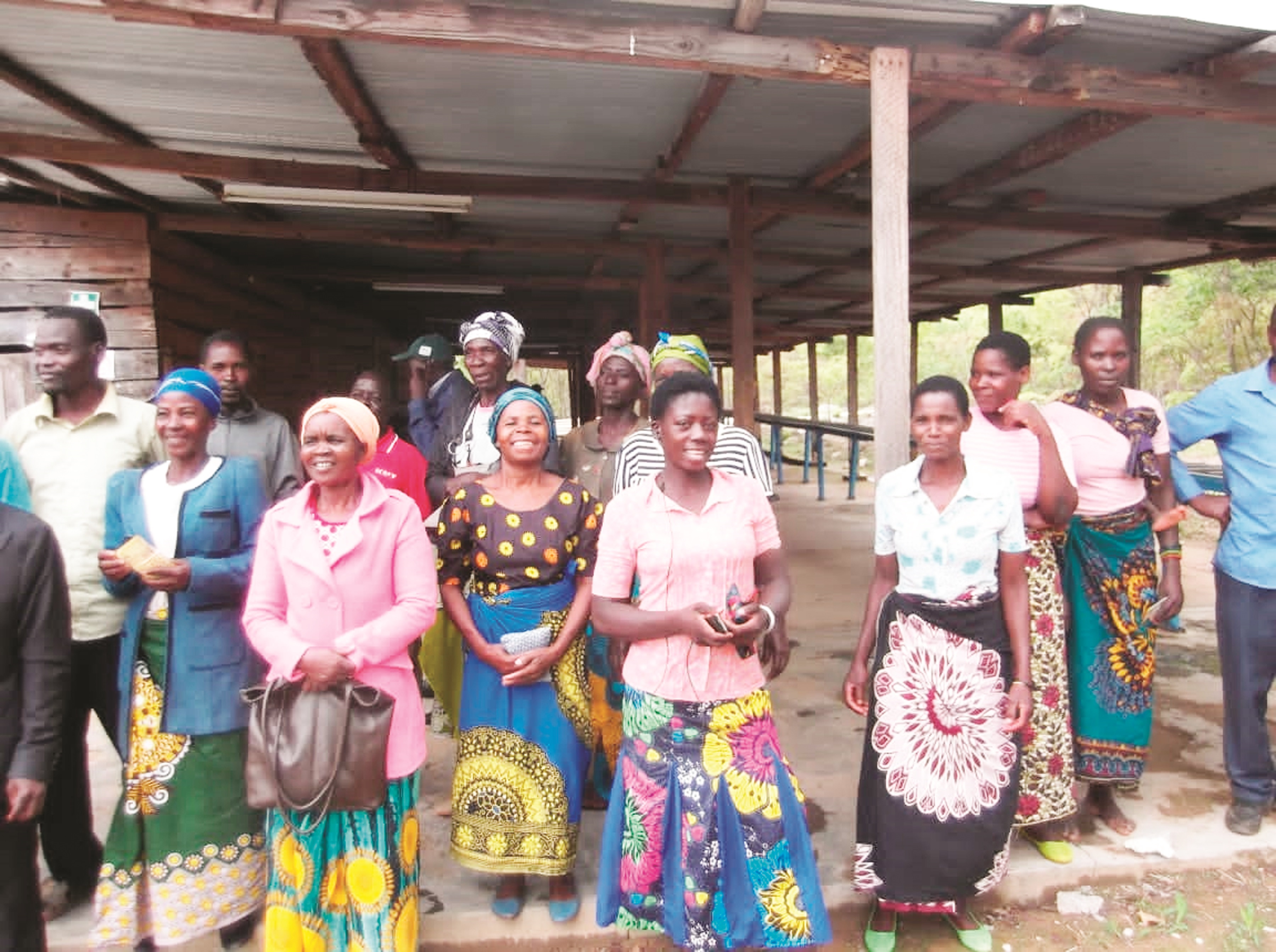
ASX-listed Globe Metals & Mining has announced the completion of the Compensation Disbursement for Phase 1 Community Resettlement at the Kanyika Niobium Project in southern Mzimba, marking an important milestone for both the Project and the communities directly affected by its development.
Compensation payments to the 203 Phase 1 Project Affected Persons (PAPs) have now been completed, marking the transition from assessment to implementation of the resettlement programme. Payments are being made directly into individual PAP bank accounts, providing transparency and certainty to affected households.
Globe says in a statement that it recognises that resettlement is a significant event for affected households and is committed to implementing the programme fairly, transparently and respectfully, with appropriate support as households relocate and re-establish their livelihoods. This includes livelihood restoration support such as seeds, fertiliser and other agricultural and transitional assistance to help households re-establish crops, farming activities and sources of income following relocation.
The process has involved the Government of Malawi, independent specialists, community representatives and, importantly, the affected households themselves, and has been undertaken with regard to applicable Malawian law and recognised international standards, including the IFC Performance Standards on Environmental and Social Sustainability.
Globe says each household has had the opportunity to verify the assets recorded and the compensation applicable to them. The company will continue working constructively with affected households, community representatives and the Government throughout the resettlement process.
This follows the formal withdrawal and discontinuance of the longstanding community legal proceedings announced on September 14, 2026. Together, these developments enable Globe to progress the next phase of onsite development activities at Kanyika.
Charles Altshuler, Interim CEO & CFO of Globe Metals & Mining, says: “This is an important milestone for Kanyika, but most importantly, we recognise the significance of this process for the families and communities directly affected by the Project. We have sought to ensure that the process is fair, transparent and respectful, and that affected households are appropriately supported as they relocate and re-establish their livelihoods.”
“Our support extends beyond compensation, with livelihood restoration measures including seeds, fertiliser and other assistance to help families re-establish their farming activities and sources of income following relocation.”
“I am pleased with the way the process has been undertaken, working closely with the Government of Malawi, independent specialists, community representatives and, importantly, the affected households themselves. Each household has had the opportunity to verify its assets and compensation, and we will continue to work constructively with all stakeholders throughout the resettlement process.”
“With all 203 Phase 1 households assessed, compensation payments have now been complete, with payments made directly into individual PAP bank accounts.”
Altshuler explains that households then have three months to relocate and re-establish their homes and livelihoods with support under the programme.
“Together with the withdrawal and discontinuance of the historical court proceedings and completion of our pre-development works, this represents an important step forward for Kanyika. We are now progressing towards opening the initial pit and commencing initial mining and stockpiling activities over the coming weeks, while resettlement continues in parallel to progressively provide access to the broader Phase 1 development footprint.”
“I would also like to thank Director Bo Tan for his continued support. The increase in his working capital facility from US$600,000 to US$1.6 million provides the funding required for the Phase 1 compensation payments and is helping us progress Kanyika towards the commencement of mining activities.”
Previous Announcement – Historical Court Proceedings
On September 14 2026, Globe announced that the longstanding High Court proceedings brought by members of the Kanyika community against Globe Metals & Mining (Africa) Limited and the Attorney General of Malawi had been formally withdrawn and discontinued.
The resolution of those proceedings removed a longstanding historical matter associated with Kanyika and allowed the Company, affected communities and relevant Government authorities to focus on progressing the current compensation and resettlement process.
Government and Community Process
The completion of the assessment follows an extensive process involving the relevant Malawian Government authorities, M’mbelwa District Council, independent consultants, community representatives and PAPs, and represents an important milestone in progressing Kanyika.
The initial census was undertaken jointly by M’mbelwa District Council and the Office of the Deputy Director Quality Assurance North, with a nine-person team of Government land and valuation specialists working alongside Kanyika community representatives to identify PAPs and affected households.
For Phase 1, a community and stakeholder engagement forum was held on 27 April 2026, attended by senior representatives from the Ministry of Mines, Ministry of Lands, M’mbelwa District Council, Globe, regional civil society organisations and local household heads.
A detailed census and asset survey was subsequently undertaken between May 1 and 12, 2026 supported by the Regional Lands Office (North), M’mbelwa District Council and community representatives. Household and asset information was digitally recorded and georeferenced to establish the compensation inventory.
Between May 26 and June 1, 2026, the joint field team returned to Kanyika and presented individual asset profiles to PAPs, providing each affected household with the opportunity to verify its structures, land holdings, crops and trees.
A separate market survey undertaken by a nationally accredited Malawian valuer established market-based compensation rates using local market information, Government records, agricultural data, field inspections and stakeholder consultation. The rates were subsequently reviewed by the Ministry of Lands, Housing and Urban Development, including adjustments to land and certain tree rates.
Accordingly, the census, asset identification, valuation, Government review and individual PAP verification processes for the Phase 1 compensation assessment have now been completed.
Individual PAP Compensation Agreements
Following completion of the assessment and verification process, individual compensation documentation has been prepared for each Phase 1 PAP, setting out the affected land, structures, businesses, trees and other assets attributed to that PAP, the applicable valuation rates and the resulting compensation entitlement, including applicable moving and disturbance allowances.
The documentation is executed through a formal process involving the PAP and witnessed by the consultant and a Government representative, providing an auditable record of the assets assessed, valuation applied and compensation entitlement for each affected PAP.
The process was undertaken independently by SLR, an international environmental and social consultancy with extensive experience in mining, resettlement and impact assessment, with additional support provided to PAPs in line with the IFC Performance Standards on Environmental and Social Sustainability and applicable Malawian law.
203 Phase 1 Households
A total of 203 PAPs, representing 203 households, have been identified within the Phase 1 Resettlement Area.
Compensation payments to all 203 Phase 1 PAPs have now been completed, with payments made directly into individual PAP bank accounts.
The total direct compensation assessed for Phase 1 PAPs is approximately MWK 2.42 billion.
Community Assets and Livelihood Restoration
In addition to direct PAP compensation, approximately MWK 59.2 million has been budgeted for identified community assets, including a church, community boreholes, taps, a shallow well and playground.
The assessment excludes the relocation of graves, cemeteries and other sites of cultural heritage significance, which are being addressed separately through the Cultural Heritage Impact Assessment being undertaken in support of the ESIA update.
Further funding has been budgeted for additional PAP support and livelihood restoration measures. The purpose of this programme is to assist PAPs in re establishing their lives and livelihoods following relocation. The principal activity will be the provision of agricultural inputs, including seeds and fertiliser, to assist affected households to re-establish crop production and maximise agricultural yields at their new locations as soon as possible.
Next Steps
Following completion of the compensation payments, PAPs have three months from receipt of their compensation to relocate and re-establish their households and livelihoods. During this period, Globe will provide relocation and livelihood restoration support, including seeds and fertiliser to help affected households re-establish their crops and farming activities at their new locations.
The resettlement and land access process is being undertaken in coordination with the Government of Malawi, the relevant District Council, Lands Office and local Chiefs. The Government and local Chiefs have confirmed that, following payment of the agreed compensation, Globe is permitted to access and use the compensated land while PAPs complete their three-month relocation period.
The Government has an ongoing role throughout this process in facilitating the relocation of PAPs, ensuring that PAPs relocate within the agreed timeframe, maintaining Globe’s access to the compensated land and enabling the Company to undertake authorised Project activities.
Share this:
Leave a Comment
Comments
Mining & Trade Review News

Agribusiness News
Subscribe to Newsletter
Rehabilitation:
The establishment of a stable and self-sustaining ecosystem, but not necessarily the one that existed before mining began. In many cases, complete restoration may be impossible, but successful remediation, reclamation, and rehabilitation can result in the timely establishment of a functional ecosystem.
Archives
Remediation:
The cleanup of the contaminated area to safe levels by removing or isolating contaminants. At mine sites, remediation often consists of isolating contaminated material in pre-existing tailings storage facilities, capping tailings and waste rock stockpiles with clean topsoil, and collecting and treating any contaminated mine water if necessary.
Stakeholders Logos